


Supporting communities in starting sustainable spay and neuter programs
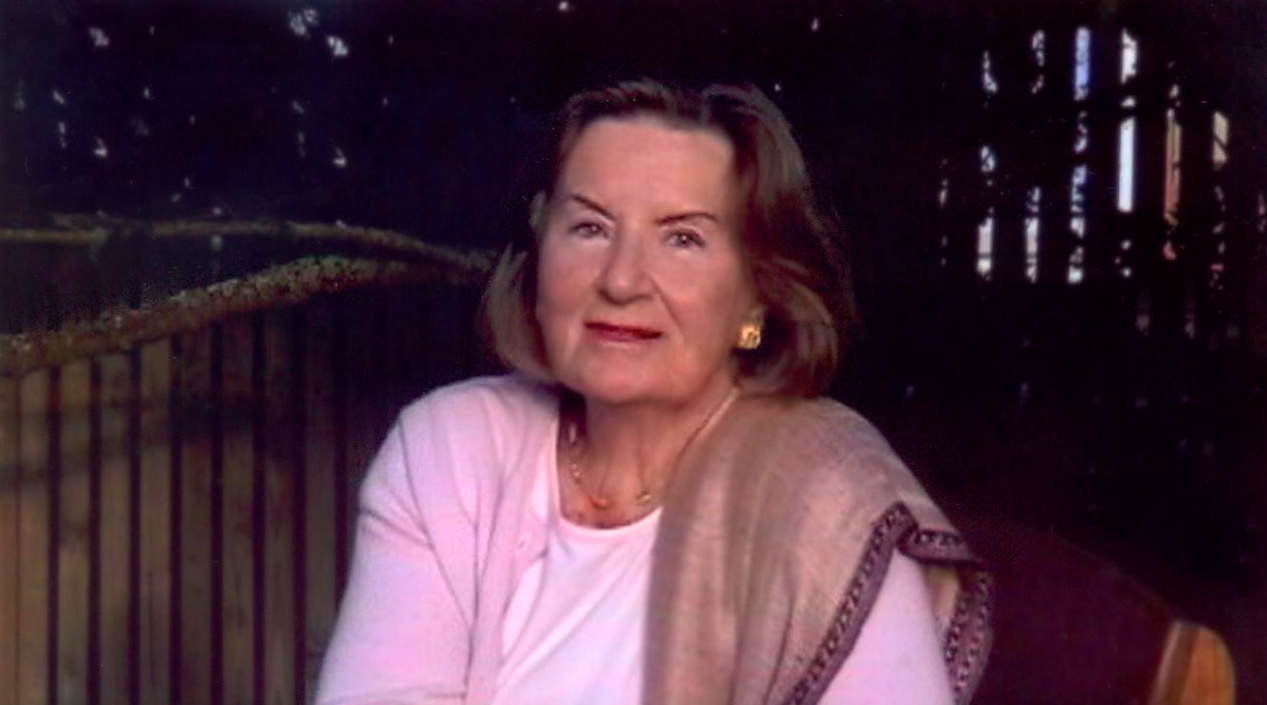
The McKee Project is dedicated to honoring the work of M. Anne “Mickey” McKee, who tirelessly championed the rights of animals and inspired a new consciousness about animal welfare and the environment in anyone with whom she came in contact.
Towards the end of her life Mickey spent considerable amounts of time in Africa, worrying that humans would for ever damage the beauty and grace of the continent’s natural environment.
“Humans are so cruel to one another; I cannot change that. But I can make a difference for the animals.”
As one of the first supporters of the then new organization PETA, Mickey was very outspoken in denouncing the horrors perpetrated against animals by the fur industry.
Growing up I spent countless hours in Mickey’s home visiting with the many animals that had found sanctuary there and decided that, one day, I too would help make a difference.
Christine Crawford, Founder of the McKee Project
If you would like to get involved with our projects or have your pets spayed or neutered, please download this spreadsheet (click here) and you will receive a list of all of the veterinarians in Costa Rica to choose from, including their phone numbers.
Your donation will change a nation
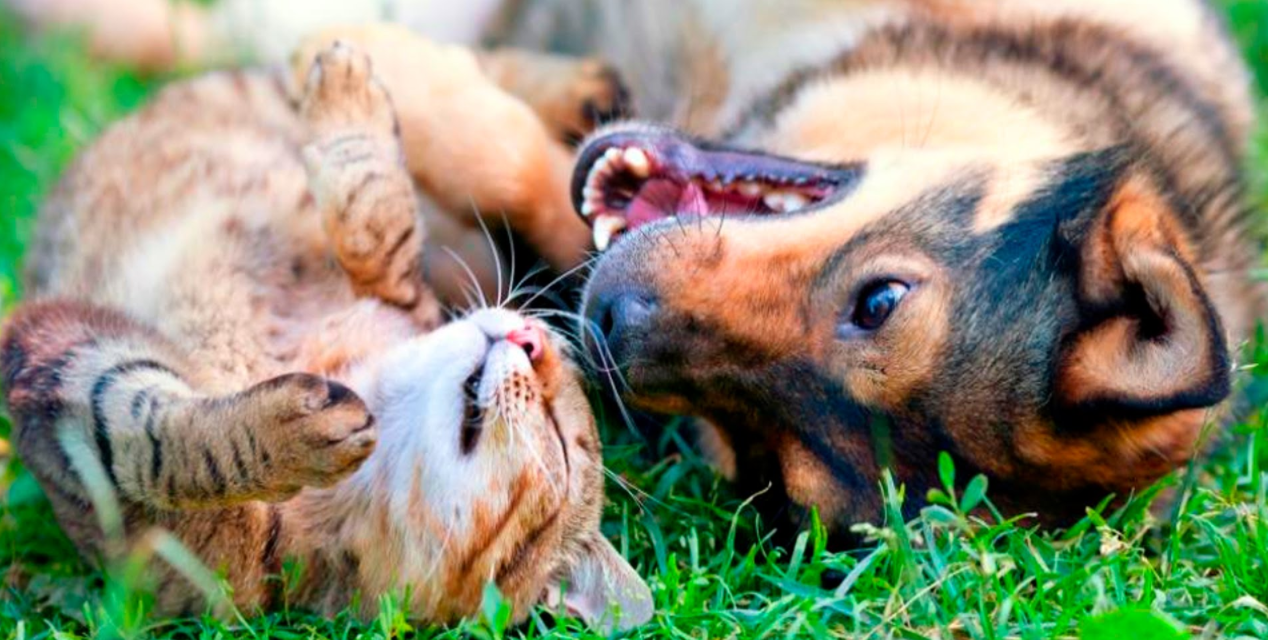
“The McKee Project promotes cultural change to improve the quality of life of dogs and cats in developing nations and strives to control companion animal population by supporting communities in starting sustainable spay and neuter programs.”
At McKee we approach animal welfare very differently from mainstream rescue organizations: we believe that if communities are not involved in the solution, animals will never lead better lives.
Thus, we change how people view and treat their animals, to improve veterinary skills, to create a new veterinarian/client relationship and to provide a framework for communities to sustainably and humanely lower the overpopulation of dogs and cats without building shelters or resorting to mass euthanasia.
Introduction to The McKee Project Methodology
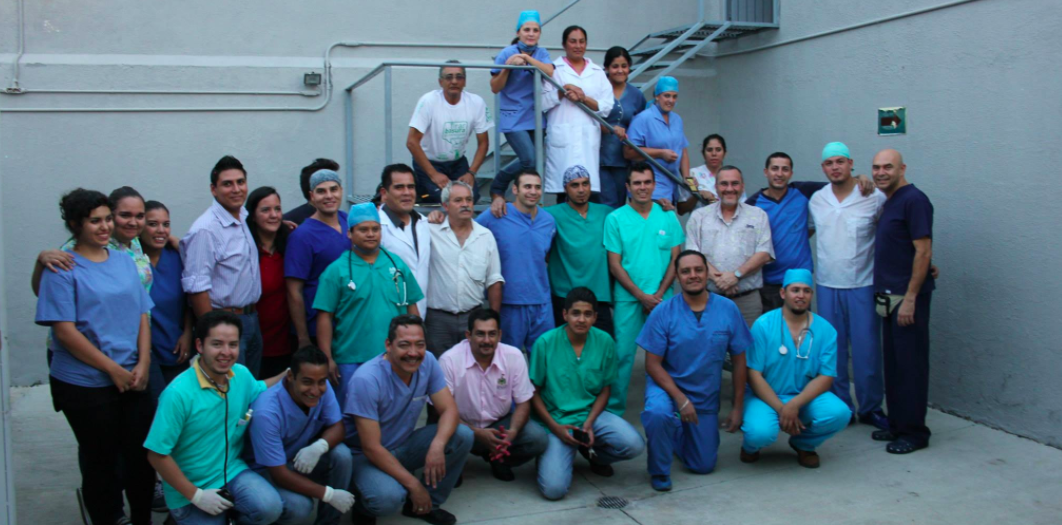
Over the past 12 years, The McKee Project has developed and taught spay and neuter techniques to 650 plus veterinarians in 8 Latin American countries. The reason McKee believes this teaching is critical is that the majority of veterinary schools in Latin America do not teach how to spay and neuter companion animals, as they do not believe it is a commercially viable practice and more importantly, a humane strategy to control overpopulation. Traditionally veterinarians in Latin America are trained for agricultural animals or for food supply safety. Veterinary care for dogs and cats is not even a consideration.
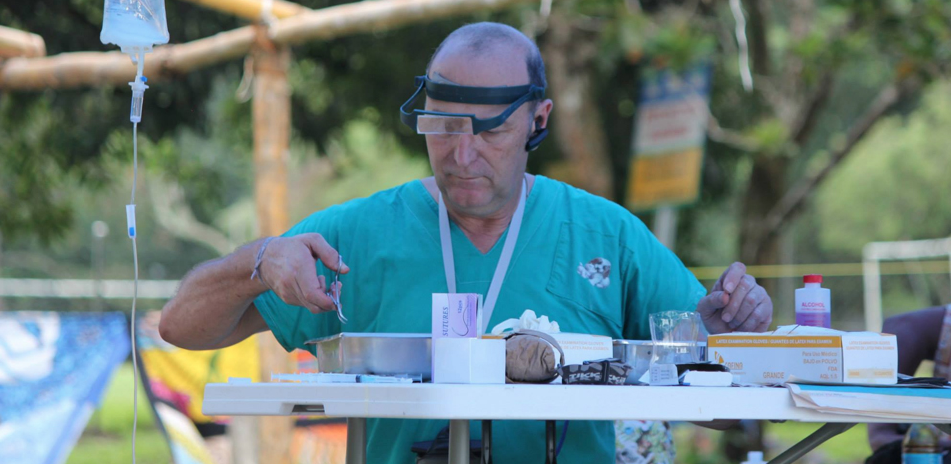
The McKee spay neuter technique takes minutes, utilizing a spay hook, and makes an incision of about one inch – this is a less invasive procedure, quicker, less traumatic to the animal, and approximately 60% more cost-effective. This quicker and less invasive technique allows countries to provide service to the thousands or millions of animals on the street much more efficiently.
The result of McKee Project’s training has in fact created a cultural shift where veterinarians are shown that spay and neuter of companion animals can be commercially viable by the creation of a new client base of dog and cat owners, as well as creating a new relationship between owners and their healthier pets.
Besides spay neuter training for vets and their communities, McKee believes that pet “owners” need to be trained to invest in their animals as well. There is a cost associated with spay and neuter of companion animals, based on each veterinarians cost and owner’s ability to pay. Initially assessed by owner resources, the cost is minimal.
When spay neuter is first introduced to a community Mckee finds that 10% of the companion animals from the area take advantage of the low cost service. Over time, neighborhood animals are seen to be healthier and thrive without multiple litters. Slowly but surely more and more owners seek spay neuter.
Statistics show that 70% or more of the companion animals in each area must be sterilized in order to have a marked effect/control breeding of unwanted and uncared for dogs and cats.
Thus Mckee has a big job if we are to make a difference. Through your donations (click on the donate menu item) we can ensure this slow and culturally altering educational and training process happens in volume across Latin America, that it impacts the suffering of animals that are abandoned and abused from lack of housing, food, water, and companionship of humans.
If you want to get involved with The McKee Project please send us an email at info@mckeeproject.org, we have veterinarian training and community spay neuter programs happening regularly in Costa Rica and around Latin America. Together we can make a difference, one day at a time.
Happiness in your community starts with you
If you would like to get involved with our projects or have your pets spayed or neutered, please download this spreadsheet (click here) and you will receive a list of all of the veterinarians in Costa Rica to choose from, including their phone numbers.
Costa Rica
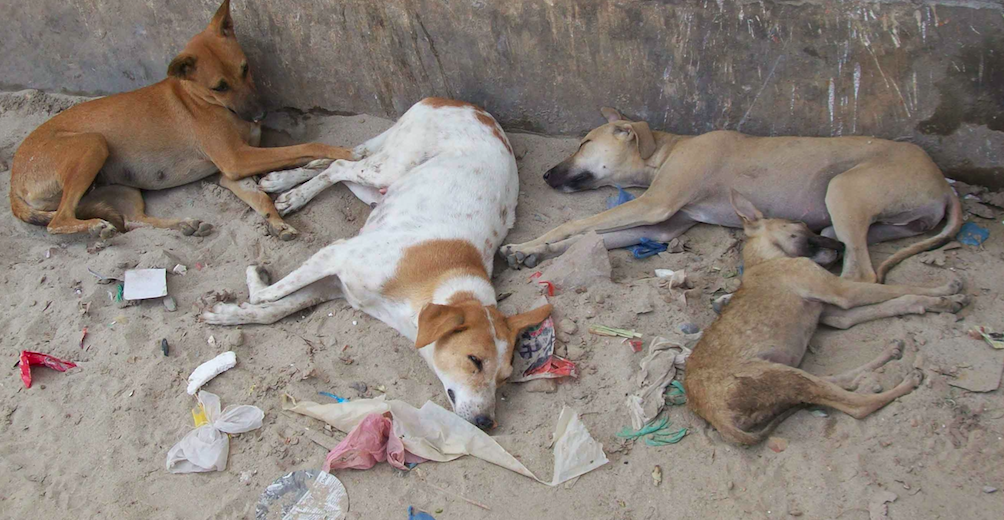
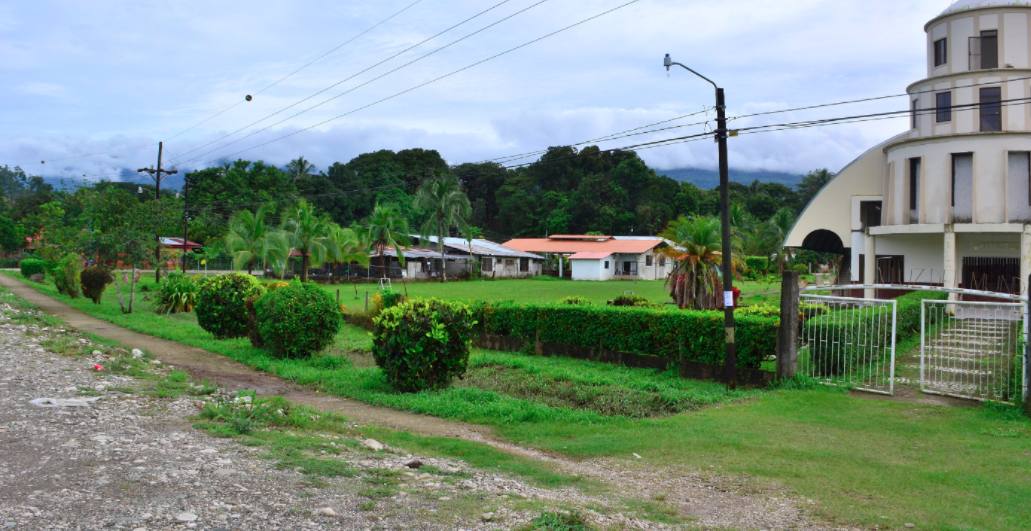
Even though Costa Rica shows the highest spay and neuter rate in Central America, approximately 80% of veterinarians and animal organizations are dedicated to the Central Valley (the most affluent and gentrified area of the country.) Spay and neuter efforts in rural areas are not yet sufficient to stem the growth of the stray population, coupled with lack of education, this leads to abuse and neglect. Therefore, we will focus our efforts in rural areas.
Nicaragua
McKee will continue to offer advanced spay and neuter surgery training in Nicaragua. Previously we invited one Nicaraguan veterinarian to come to Costa Rica for training, who then trained any interested vets in exchange to their commitment to offering regularly scheduled, low-cost spay and neuter clinics. McKee will continue to run this project in coordination with Fundación Amarte.
Panamá
McKee plans to work closely with Spay Panama, which leads the charge to end animal abuse in Panama offering advanced spay and neuter training for veterinarians, as well as low-cost surgeries for low income people.
Due to the similarity between our organizations, we have decided to join forces combining our efforts to introduce McKee´s Community Outreach Program south of the Costa Rican border. This program is designed to train community leaders and animal organizations on how to set up a sustainable and successful spay and neuter program, launch local fundraising activities and promote responsible animal ownership.
Previous Projects
All the countries where we have introduced our programs have made tremendous progress when it comes to how companion animals are perceived and treated. More and more dogs and cats are being looked upon as sentient beings with new veterinary clinics and pet supply stores opening on a regular basis, animal abuse routinely denounced to animal advocacy groups as well as government agencies and increased attendance to low-cost spay and neuter clinics, even in very poor neighborhoods.
Costa Rica has always led the way to end animal suffering in Central and Latin America and, thanks to our international program, we were able to continue our advocacy work in the entire region, training more veterinarians in the small incision method and assisting communities in starting and implementing their own spay and neuter campaigns.
Costa Rica
Since the year 2000, McKee has trained more than 300 veterinarians in advanced spay and neuter surgery methods, and more than 50 communities have participated in McKee´s Community Outreach Program which helps them set up regularly held low-cost spay and neuter clinics.
McKee is principally responsible for the increased number of annual spay and neuter surgeries (an annual growth estimated at 22%.) More than 50,000 animals were spayed or neutered in 2009, which corresponds to 5% of the total pet population. We estimate that 40% of the population is now “fixed” and that by year 2015 we might actually reach our goal of 70%!
Cat Café
McKee has initiated 3 Cat Café projects in Costa Rica:
-Tabacón Resort & Grand Spa: in 2007, McKee founded the first Cat Café project at the Tabacón Resort. We chose Tabacón as the prototype hotel for this project, because Tabacón is one of the most prestigious and most visited resorts in Costa Rica. At the time, the administration was not sure if they wanted the program (most hotels choose to poison the cats, or trap and relocate them), so McKee offered to cover all set up expenses in order to encourage participation.
-Condovac La Costa: this hotel is located in Guanacaste where cat overpopulation has been an issue for the past 20 years. The hotel management called us asking for help, so we offered the Cat Café program and, in less than a month, were able to set up the project. 90% of the cat population was spayed and neutered and every one was extremely happy with the results of the project.
-Buen Pastor Female Detention Center: the management of the detention facility called McKee asking for support: there was huge concern for cat overpopulation and also for the issue of the cats being fed everywhere and anywhere by the inmates. Thanks to a grant by Marchig Trust Animal Welfare, McKee was able to set up its third Cat Café in Costa Rica, bringing not only benefits to the cats, but to the women population at the prison as well.
Nicaragua
With the support of Best Friends Animal Society and a strategic alliance with recently founded Fundación AMARTE, McKee was able to introduce its population control model. Slowly, but surely people in Nicaragua are becoming more and more interested in humane methods of pet population control and McKee has found great interest in the veterinary community as far as learning and practicing advanced spay and neuter techniques.
-37 veterinarians received the Advanced Spay and Neuter Surgery Training in five different communities in Nicaragua: Diriamba, Masaya, Granada, Matagalpa and Managua
-243 animals were fixed during the trainings
-Workshops for community volunteers and members of animal organizations were offered in Matagalpa and Managua
This is the cultural change that McKee has been promoting since being founded by Christine Crawford over a decade ago, little by little, people are starting to respond. We have strengthened our relationship with Fundación AMARTE, who has become an advocate and promoter of spay and neuter.
Guatemala
During 2008 McKee was awarded a grant by WSPA in order to propose a solution to the issue of pet overpopulation by training communities to be proactive and by providing advanced spay and neuter surgery training for all interested veterinarians. The goal was to inspire communities and animal organizations to offer periodic low-cost surgeries and to promote a shift from collecting and mass poisoning to spay and neuter both by veterinarians and government agencies.
As a result McKee accomplished the following:
-A total of 73 veterinarians were trained in McKee’s advanced spay neuter surgery technique: in Guatemala City, Quetzaltenango, Chiquimula and Cobán
-15 4th year veterinary students were trained in McKee’s Advanced Spay and Neuter Surgery Protocol as well as in how to design community solutions
-48 community leaders/animal advocacy groups attended lectures on how to develop successful population control programs
-4 McKee groups (veterinarian plus volunteers) were awarded a small grant for specific projects
Belize
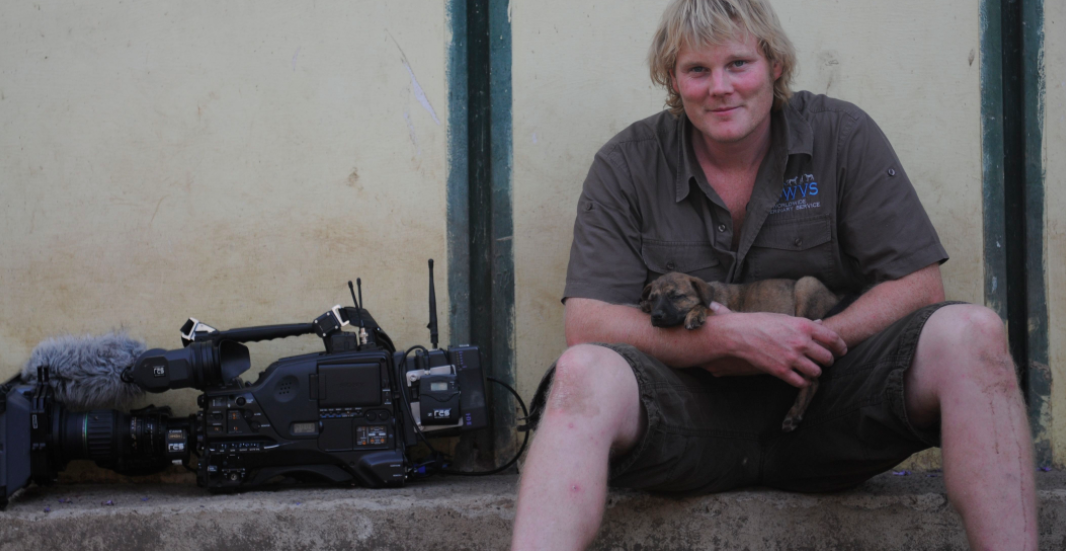
Dr. Yayo Vicente, President of the McKee Project, officially presented the McKee Model in Belize in May 2009. Among the participants, there were representatives of the Department of Public Health, the Belize Agricultural Health Authority (BAHA), the Humane Society, Saga Humane Society, BeKind Belize and many private practice veterinarians.
There are only 20 licensed veterinarians in Belize and McKee trained 10 of them, (the ones who practice on small animals.) We offered 4 surgery trainings at the Belize Humane Society and insisted on a radical shift from rescue to prevention, in order to start educating the public on the importance of spay and neuter as well as on the catastrophic consequences that neglect and abandonment produce and their impact on society in terms of lower quality of life and higher social costs.
Curaçao
The Curaçao Foundation for the Protection of Animals approached the McKee Project and WSPA (World Society for the Protection of Animals) requesting support to train local veterinarians in advanced spay and neuter surgery techniques. They had been performing spay and neuter surgeries at the shelter, but the cost was extremely high because the veterinarians did not know the advanced technique that McKee teaches.
One of McKee´s surgery training instructors, Dr. Olman Solano, traveled to Curacao to train 8 veterinarians who are now performing safer and less expensive procedures in the local shelter and neighboring communities.
Perú
Thanks to the support of Best Friends Animal Society, McKee had the opportunity to extend its program across the Panama canal and all the way to Perú. The interest from local veterinarians, animal organizations, independent volunteers, government agencies and universities exceeded our expectations.
Following are some of the outcomes of the project:
-17 veterinarians trained in McKee’s Advanced Spay and Neuter Surgery Technique
-As of December 2010, a total of 1147 animals were spayed or neutered as a result of the veterinary training and the workshop for volunteers
-Before the training 79% of the veterinarians selected performed less than 5 spay & neuter surgeries per month. After completing the training the average number of animals spayed or neutered per veterinarian per month has increased to 39. This number usually increases during the following years due to the fact that pet owners become more aware of the benefits of spay and neuter, plus the veterinarian himself gains experience performing the surgery and, therefore, is able to lower prices even more as he becomes more cost efficient in the procedure
-Animal organizations and community leaders greatly valued the information shared on shifting efforts from rescue to prevention
Together we can make a difference
The McKee Project is a registered 501(c)(3) nonprofit charitable foundation in the United States of America. All donations are tax deductible.
To donate to The McKee Project please use this Paypal button.
General Overview
Supporting the McKee Project means supporting the communities where we are active with our outreach efforts.
First, by training veterinarians in advanced spay and neuter surgery protocols, we shut off the puppy tap preventing millions of newborn dogs and cats from hitting the streets of thousands of communities across Mexico, Central/Latin America and the Caribbean.
The rapid decrease in stray pet population that follows enables local advocates and volunteers to better care and rehome the existing street population.
Second, we train community leaders and volunteers in how to start a successful spay and neuter program, and this continues in the community after the McKee project training and support team leaves.
Third, we teach the sustainability component to animal advocacy, setting the stage for a long term program that may continue even when the start up money has run out.
So, thank you for considering donating to keep the McKee Project alive. We started as a grass root movement and still think that way: no fancy offices, no corporate vehicles, no administration staff, no glossy brochures, no waste.
Simply put, we are a group of dedicated animal lovers who believe we might have the solution to ending the tragedy of homeless companion animals in developing nations.
Your contribution is vital to our cause. Every time a new doctor in veterinary medicine learns the McKee Advanced Spay and Neuter Field Method we gain one more advocate for spay and neuter programs.
Learn about other methods besides cash donations below, we are flexible with your donation methods to ensure animals receive the treatment they so desperately need.
Estate Planning
Help the animals you love. Create a lasting partnership with the McKee Project. Your will makes it possible.
By including the McKee Project in your will you will be able to continue to help stem the cycle of animal suffering throughout Costa Rica and Central America by ensuring the critical ongoing support of our programs to advise, empower, and support community change and train small animal veterinarians in advanced spay/neuter surgery techniques.
You can make your bequest for a specific dollar amount, a percentage of your estate or specific assets from your estate. Bequests, like other gifts, can be designated for many purposes or given without restriction.
At the McKee Project we are pledged to focus our energies on your wishes and needs.
For more information on how you can perpetuate your love for the animals with a bequest (or for more information about other planned gift opportunities), please contact:
Ben Watkins
301 W. Spring Valley Place, Tucson, Arizona 85704
E-mail: benwatkins1@yahoo.com
Phone: (520)631-6015
Stock Donation
You can make a gift of stock to the McKee Project. A gift of stock allows significant tax benefits for you, as well as a charitable contribution deduction. While a gift of stock has many benefits, an important aspect is that it offers the McKee Project the opportunity to continue in its humane and life altering strategies, and to educate people to respect and not neglect our animals.
Coffee Subscription Club
Coffee enthusiast? Join the McKee Coffee Lovers Club today!
As everybody knows, membership has its privileges. Your initial $50 tax deductible donation buys you lifetime membership in the McKee Coffee Lovers Club (not to mention your very first 250gr. bag of delicious Costa Rican pure Arabica Coffee.)
Once a member, you can reorder for just $17 a bag (also tax deductible) delivered straight to your front door at no extra charge. Every order allows us to allocate $10 to help an underprivileged pet as part of our commitment to helping strays. Join the McKee Coffee Lovers Club today: one cup, one stray, one community at a time.
Together we can change the destiny of millions of animals all over the developing world. All in the name of love.
To donate to The McKee Project please use this Paypal button.
Donate to help those without a voice
Please consider subscribing to The McKee Project newsletter. We send updates on our efforts in the community through this medium. It is important for everyone who can act on animal welfare through The McKee Project to join this newsletter, it is our central voice.
Thank you very much for your consideration.
Thank you for joining our newsletter
Contact us below with any questions/comments, or go to the DONATE page on our website, by clicking the menu above
© 2013 All Rights Reserved